


San Diego Rideshare Accident Lawyer | Ray Padilla Law

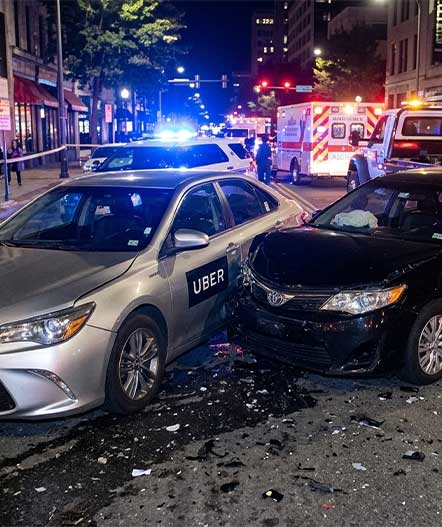
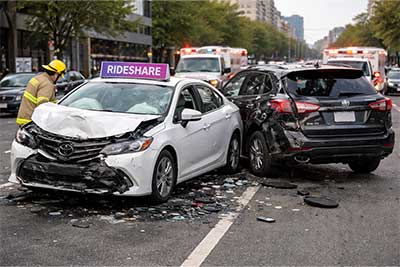
Rideshare services like Uber and Lyft have transformed transportation in San Diego, but accidents involving these vehicles raise complex questions about insurance coverage and liability. Whether you were a rideshare passenger, a driver in another vehicle struck by a rideshare driver, a pedestrian, or a cyclist, you may be entitled to compensation if you were injured due to someone’s negligence. The process of recovering compensation after a rideshare accident differs from a typical car accident claim because multiple insurance policies may apply depending on the driver’s status at the time of the crash. Ray Padilla Law represents rideshare accident victims throughout San Diego County and Southern California. Contact us today for a free consultation. We provide full legal services in English and Spanish.

How Rideshare Insurance Coverage Works

Understanding how rideshare insurance works is essential to pursuing compensation after an accident. Uber and Lyft provide insurance coverage for their drivers, but the amount of coverage available depends on the driver’s status at the time of the accident.

Period 0: App Off

When a rideshare driver is not logged into the app, they are considered a regular private driver. Only their personal auto insurance applies. The rideshare company provides no coverage during this period.

Period 1: App On, Waiting for a Ride Request

When the driver is logged into the app and available for ride requests but has not yet accepted one, limited coverage applies. Both Uber and Lyft provide liability coverage during this period, but at lower limits than when a passenger is in the vehicle. If the driver's personal insurance denies a claim because they were engaged in commercial activity, the rideshare company's contingent coverage may apply. Current coverage during this period typically includes:

Period 2: En Route to Pick Up a Passenger

Once the driver accepts a ride request and is traveling to pick up the passenger, higher coverage limits apply. Both Uber and Lyft currently provide $1 million in third-party liability coverage during this period.

Period 3: Passenger in the Vehicle

From the time the passenger enters the vehicle until they exit at their destination, the highest level of coverage applies. Both Uber and Lyft currently provide:

Important Note on Coverage Amounts The coverage amounts listed above reflect current policies as of the time this page was created. Rideshare companies may change their insurance policies. The specific coverage that applies to your accident will depend on the policies in effect at the time of the accident and the driver’s status at that moment.

Types of Rideshare Accident Claims We Handle

Ray Padilla Law represents individuals injured in various rideshare accident scenarios, including:

Passengers Injured During a Ride

If you were a passenger in an Uber or Lyft and were injured in an accident, you may have a claim against the at-fault driver (whether that is your rideshare driver or another driver) and potentially against the rideshare company’s insurance. Passengers are generally not at fault for accidents and are entitled to pursue full compensation for their injuries.

Drivers and Passengers in Other Vehicles

If you were in another vehicle that was struck by a rideshare driver, you may have a claim against the rideshare driver and potentially against the rideshare company’s insurance, depending on the driver’s status at the time.

Pedestrians Struck by Rideshare Vehicles

Pedestrians have the right of way in crosswalks and other designated areas. If you were struck by a rideshare driver while walking, you may have a claim for your injuries.

Cyclists Struck by Rideshare Vehicles

Bicyclists are vulnerable road users who often suffer serious injuries when struck by motor vehicles. If a rideshare driver struck you while you were cycling, you may be entitled to compensation.

Rideshare Drivers Injured by Other Drivers

If you drive for Uber or Lyft and were injured by another driver’s negligence, you may have a claim against that driver. Your options for coverage may include the at-fault driver’s insurance, your own personal injury protection or uninsured motorist coverage, and potentially the rideshare company’s coverage depending on your status at the time.

Accidents Involving Autonomous Vehicles

As companies like Waymo expand autonomous vehicle services in some markets, questions arise about liability when these vehicles are involved in accidents. While autonomous rideshare services are limited in San Diego currently, accidents involving any self-driving technology raise unique legal questions about manufacturer liability and operator responsibility.

Challenges in Rideshare Accident Cases

Rideshare accident claims present specific challenges that differ from typical car accident cases.

Determining the Driver's Status

The insurance coverage available depends on what the driver was doing at the exact moment of the accident. Was the app on? Had the driver accepted a ride? Was there a passenger in the vehicle? The rideshare company's records can establish this, but obtaining them requires knowing how to request the information.

Multiple Insurance Policies

A rideshare accident may involve the driver's personal insurance, the rideshare company's insurance, and potentially the insurance of other involved drivers. Each insurer may attempt to shift responsibility to another policy. Coordinating claims across multiple policies requires understanding how each policy applies.

Independent Contractor Classification

Rideshare companies classify their drivers as independent contractors rather than employees. This classification affects liability questions, although California's Assembly Bill 5 (AB5) and subsequent Proposition 22 have created a complex legal landscape regarding worker classification. For purposes of accident claims, rideshare companies generally accept that their commercial insurance applies when drivers are engaged in covered activities, regardless of the employment classification debate.

Insurance Company Tactics

Like other insurers, rideshare company insurers seek to minimize payouts. They may dispute the driver's status, question the severity of injuries, or delay the claims process. Having legal representation can help move your claim forward.

Uber and Lyft Accident Claims

While Uber and Lyft operate similarly, each company has its own insurance policies and claims processes.

Uber Accidents

Uber provides insurance coverage through its commercial policies. To report an accident as a passenger, you can access the trip information through the Uber app and report the incident. However, relying solely on Uber's internal process may not protect your interests. An attorney can help ensure your claim is properly documented and pursued.

Lyft Accidents

Lyft also maintains commercial insurance for accidents occurring during rides. Lyft's claims process is similar to Uber's. As with Uber, having independent legal representation can help ensure your interests are protected rather than relying solely on the company's claims process.

Other Rideshare Services

While Uber and Lyft dominate the market, other rideshare and transportation network companies operate in California. The same general principles regarding insurance coverage and liability apply, though specific policy terms may differ.

What to Do After a Rideshare Accident

The steps you take after a rideshare accident can affect your ability to recover compensation.

Seek Medical Attention

Your health is the priority. If you are injured, call 911 or get to a hospital. Even if injuries seem minor, seeing a doctor promptly creates documentation of your condition after the accident.

Call the Police

A police report creates an official record of the accident. If you were a passenger, make sure the officer documents that you were in a rideshare vehicle.

Document the Scene

If you are able, take photographs of vehicle damage, the accident scene, traffic conditions, and any visible injuries. Get the names and contact information of any witnesses.

Get the Driver's Information

Obtain the rideshare driver's name, contact information, personal insurance information, and the vehicle's license plate number. If another driver was involved, get their information as well.

Preserve Your Trip Information

Take screenshots of your trip details in the Uber or Lyft app, including the driver's name, the vehicle information, the pickup and drop-off locations, and the trip time. This information establishes that you were on an active trip at the time of the accident.

Report the Accident to the Rideshare Company

Both Uber and Lyft have in-app features for reporting accidents. Use these to create a record with the company, but be cautious about providing detailed statements before consulting with a lawyer.

Be Cautious with Insurance Adjusters

Insurance adjusters from any involved insurance company may contact you. You are not required to give recorded statements, and it is generally advisable to consult with a lawyer before doing so.

Consult with an Attorney

Because rideshare accidents involve multiple potential insurance policies and complex liability questions, consulting with an attorney who has experience with these cases can help you understand your options.

Compensation in Rideshare Accident Cases

If you were injured in a rideshare accident due to someone’s negligence, you may be entitled to compensation for:

Medical Expenses

Past and future medical costs, including emergency treatment, hospitalization, surgery, diagnostic imaging, physical therapy, medications, and any ongoing care related to your injuries.

Lost Wages

Income lost while recovering from your injuries. If your injuries affect your ability to work long-term, you may also have a claim for loss of future earning capacity.

Pain and Suffering

Compensation for physical pain, emotional distress, anxiety, inconvenience, and diminished quality of life resulting from the accident and your injuries.

Property Damage

If your personal property was damaged in the accident, such as a phone, laptop, or other belongings, you may recover the cost to repair or replace those items.

Permanent Injury or Disfigurement

If your injuries result in permanent impairment, scarring, or other lasting effects, additional compensation may be available.

California’s pure comparative negligence rule applies to rideshare accidents. If you were partially at fault, your recovery will be reduced by your percentage of fault, but you are not barred from recovering compensation unless you were 100% responsible.

Frequently Asked Questions

What should I do if I was injured as a rideshare passenger?

Seek medical attention, document the accident if possible, preserve your trip information from the app, and consult with an attorney. As a passenger, you are generally not at fault for the accident and have a right to pursue compensation from the responsible party’s insurance.

Both companies maintain similar insurance policies with $1 million in coverage during active rides. The claims process and specific policy terms may differ slightly, but the general approach to pursuing compensation is similar.

If the rideshare driver caused the accident, you may file a claim against the driver’s personal insurance and/or the rideshare company’s commercial insurance, depending on the driver’s status at the time. When a passenger is in the vehicle, the rideshare company’s $1 million policy typically applies.

If a driver other than the rideshare driver caused the accident, you would pursue a claim against that driver’s insurance. If that driver is uninsured or underinsured, you may be able to access uninsured/underinsured motorist coverage through the rideshare company’s policy (if you were a passenger) or your own policy.

Rideshare companies classify their drivers as independent contractors, which affects direct liability claims against the company. However, claims against the rideshare company’s insurance policy are generally available when drivers are engaged in covered activities. The legal landscape regarding rideshare company liability continues to evolve. An attorney can evaluate the specific facts of your case to determine all available options.

In California, you generally have two years from the date of the accident to file a personal injury lawsuit (California Code of Civil Procedure Section 335.1). However, insurance claims should be initiated much sooner to preserve evidence and protect your rights. Consulting with an attorney promptly is advisable.

Ray Padilla Law handles rideshare accident cases on a contingency fee basis. You pay no attorney fees unless we obtain a recovery on your behalf. If there is no recovery, you owe no attorney fees. Clients may be responsible for case costs and expenses regardless of outcome. We will explain all fee arrangements during your free consultation.

Your options depend on who caused the accident and your status at the time. If another driver was at fault, you may have a claim against their insurance. The rideshare company’s insurance may also provide coverage depending on whether you had accepted a ride or had a passenger. Your personal insurance may also be relevant. An attorney can help you understand which coverages apply to your situation.

Contact a San Diego Rideshare Accident Lawyer

If you were injured in an accident involving Uber, Lyft, or another rideshare service in San Diego County, contact Ray Padilla Law for a free consultation. We will review the facts of your case, explain your legal options, and answer your questions. There is no obligation, and you will pay no attorney fees unless we recover compensation for you.

We are available 24 hours a day, 7 days a week. Se habla español.

This website contains attorney advertising. The information on this website is for general informational purposes only and does not constitute legal advice. Contacting Ray Padilla Law does not create an attorney-client relationship. Do not send confidential information until an attorney-client relationship has been established.